How HighLine Grain Growers and LCS Shape Pacific Northwest Wheat Varieties
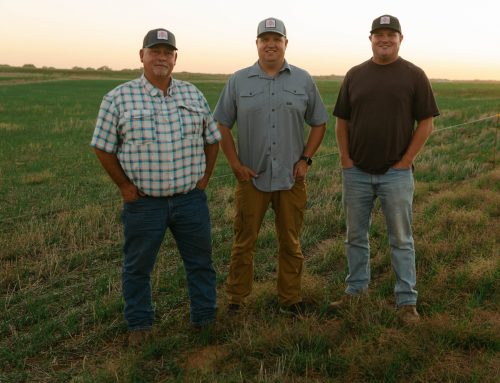
By the time we caught up with Geoff Schulz in October, the fall seed rush at HighLine Grain Growers was starting to ease. HighLine’s seed manager had even made a call his crew would appreciate.
“I think we’re actually going to just work in half days on Saturdays starting now.”
Geoff knows the rhythm of a seed season. He’s spent more than 11 years with HighLine and the companies that came before it, the last eight as seed manager, and he worked with Limagrain Cereal Seeds varieties at his earlier stop too: Penny-Newman Grain in California, mostly hard whites and some durums.
HighLine itself is a good deal younger than its roots, and it started with an act of collaboration: one big merger.
“HighLine Grain Growers, as it is currently, has only existed since 2018,” Geoff explains. “It was the result of a merger of five co-ops and grain companies with the swipe of one pen in April of 2018, a merger that’s pretty unheard of even nationwide.”
Central Washington Grain Growers, Davenport Union Warehouse, Odessa Union Warehouse Co-Op, and Almira Farmers Warehouse Co. were among them, as was Reardan Seed Company, where Geoff was a partner. Five Pacific Northwest organizations became one, and that habit of pulling together shows up in how HighLine works with its partners, LCS included.
“They’re the one private breeding company that has shown that they are in it for the long haul,” he says. “Willing to make the investment in the Pacific Northwest to provide varieties and technologies in the cereal seed space that others just have not been able to produce.”
When Limagrain set up shop and expanded wheat breeding in the Pacific Northwest, it went straight at one of the most unique challenges growers there face: a patchwork of microclimates.
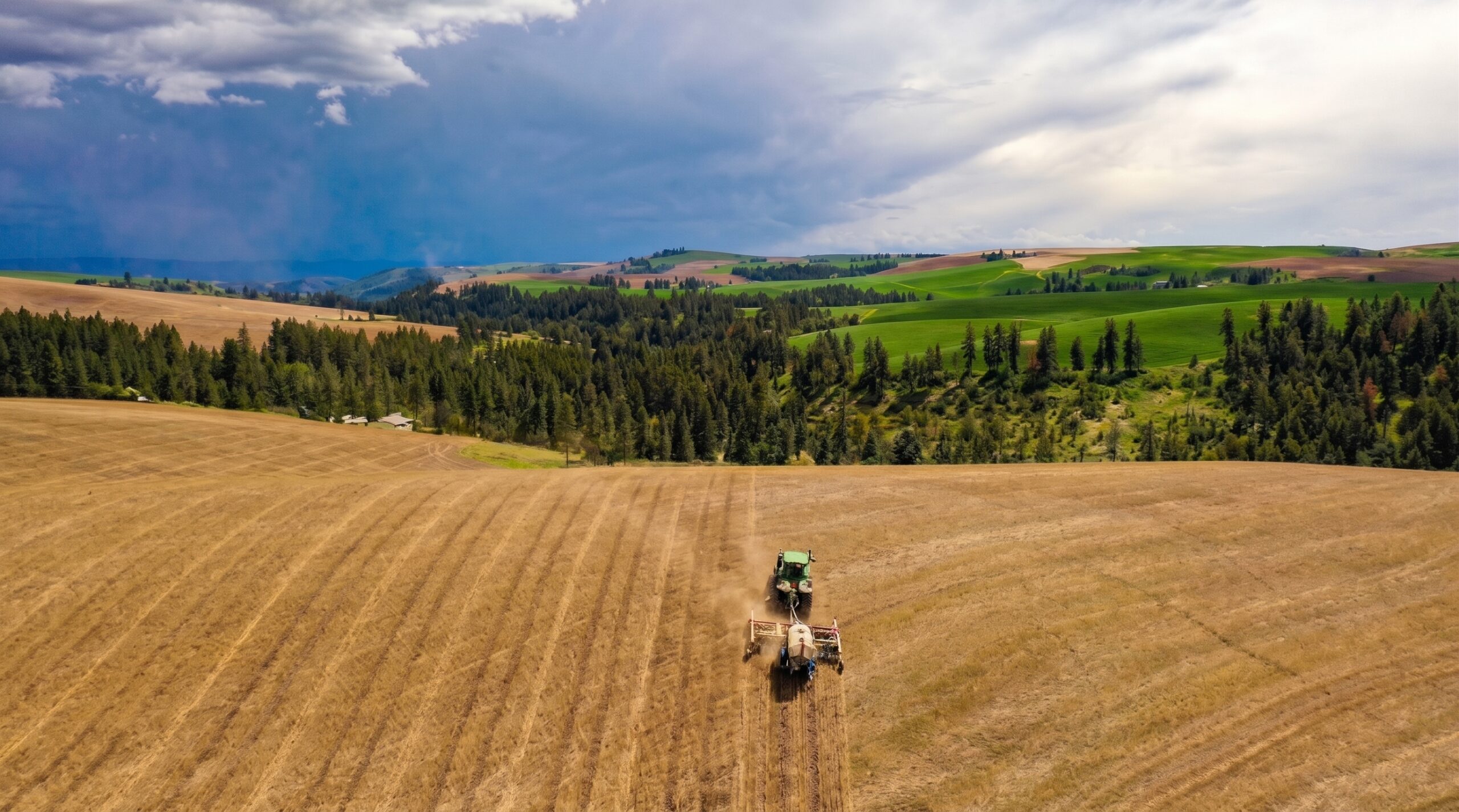
“You can move just 5 to 10 miles, and the farming conditions, the soil types, the precipitation can change drastically, as opposed to some areas of the Central Plains where you can drive for hours and it doesn’t change enough to change how you’re managing things,” Geoff explains.
In Geoff’s growing region, that range is wide. Rainfall runs from six to eight inches a year to 24 to 30 inches or more, and most of it comes in fall and early spring. Summer rain can be next to nonexistent, and some ground is farmed at significantly higher altitude, where moisture arrives as snow.
“It’s not uncommon in some of those areas to have 100 to 150 days of snow cover, which creates some other issues as far as snow mold and winter survivability,” Geoff adds.
On top of that, a lot of ground is in a wheat-fallow rotation, where the moisture sits well below the surface, so Pacific Northwest operations also need varieties that can emerge from depth.
Breeding Pacific Northwest wheat varieties for all of that — and testing them across every one of those microclimates — is a real challenge, and Limagrain has invested in taking it on. What made the difference for HighLine is how LCS works with the co-ops that sell its seed. Limagrain sits at the table with them individually and as part of the Genetic Marketing Group, a group of co-ops working together to get varieties out to growers. It gives HighLine a say in what gets bred and an earlier look at what’s coming.
“We really feel like partners in this process,” Geoff says. “We’re bringing our concerns to the breeding team, and they’re actively making crosses and releasing varieties based off of that.”
Working together, the Genetic Marketing Group and Limagrain took LCS in the Pacific Northwest from relatively unknown 20 years ago to a market leader. For Geoff, it’s “a great model,” and the results show up where farmers measure them.
“At the end of the day, it’s bushels in the bin and price for those bushels,” he says. “We can’t control the second, but the first, we definitely have some influence on.”
Yield expectations and potential have climbed significantly over that stretch too, and so has the toolbox. LCS helped bring the CoAXium Wheat Production System to a region where herbicide resistance has taken some products off the table, giving growers a way to go after problem weeds.
“We’ve seen some herbicides that have been lost to resistance,” he says. “Having a new technology come along has really helped solve for that.”
But that’s only part of the story. There’s also the daily work of breeding for more wheat disease resistance to the diseases growers fight.
“That’s just more of a long-term grind that may not be as sexy, but just as important in trying to get to that next level of yield and quality.”
Geoff credits Limagrain’s ability to reach into a worldwide gene pool as a major leg up, putting heads together with genetic partners around the world to breed wheat varieties for the Pacific Northwest. It’s also built on one of the same core tenets HighLine is.
“The collaborative and cooperative effort of Limagrain internationally, and their commitment to that cooperative model that goes back to their roots in France, lines up really well with our cooperative model,” he says.
Geoff has seen other breeders come and go, some set on putting their own name on a variety. For him and HighLine, it comes down to moving the best things forward regardless of whose name is on the cross. Insisting otherwise, he says, can put you back “years and decades.”
The next challenge is finding varieties that solve for a lot of those different areas at once, even as breeders keep breeding for each microclimate.
“It’s a big puzzle to try and put together, and a huge challenge for the breeders,” he says. “But it’s exciting. It’s fun. It gives us something to shoot for every day.”
It’s a puzzle the next generation will inherit, and when we asked what he’d tell young people thinking about making farming their life, Geoff’s answer started with the people around them.
“Surround yourself with people that have that knowledge and that are willing to impart that.”
They don’t have to start from scratch, either. There are plenty of footsteps to follow, many of them laid down by the fathers and grandfathers who built the co-ops.
“Don’t be afraid to look at and rely upon some of the work that’s been done to this point,” he advises. “You don’t have to go it alone.”
That includes the route he knows best: the tried-and-true co-op.
“This cooperative model of really working together for the greater good and for the sustainability and the survivability of this for the future is really something to invest in, and something to look back and appreciate, but now also participate to see it move on for those generations to come.”
Connect with a local dealer like Geoff and HighLine Grain Growers with our Dealer Finder.